When Standard Equipment Isn't Enough: Selecting Vacuum and Material Handling Solutions for Food, Chemical, and Pharmaceutical Environments
The majority of industrial vacuum and material handling equipment is engineered for general manufacturing applications—environments where the primary concerns are airflow capacity, particulate size, and operational efficiency. For a large share of US manufacturing facilities, this general-purpose approach is entirely adequate.
For food processors, chemical manufacturers, and pharmaceutical producers, it is not.
These three sectors operate under environmental conditions and regulatory frameworks that fundamentally alter the equipment selection calculus. Temperature extremes, moisture infiltration, corrosive or reactive materials, and strict sterility requirements each introduce failure modes and compliance risks that standard equipment is not designed to address. Selecting the wrong vacuum or conveying system in these environments does not simply result in suboptimal performance—it can trigger product contamination, regulatory action, or catastrophic equipment failure.
This analysis examines the specific challenges each sector presents and offers a structured approach to evaluating specialized solutions.
Food Processing: Where Sanitation and Performance Must Coexist
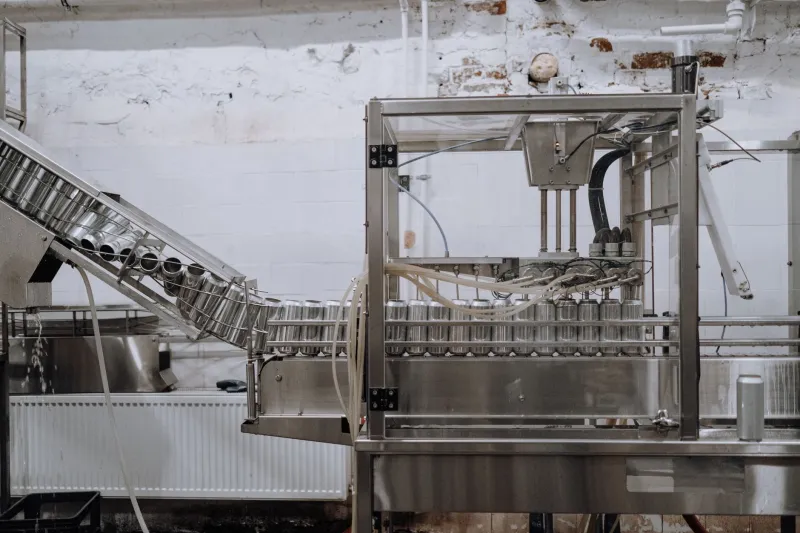
Food processing facilities present a distinctive set of demands that place vacuum and material handling equipment under simultaneous mechanical and hygienic stress. Production lines may handle dry bulk ingredients, wet slurries, sticky confectionery compounds, or temperature-sensitive materials—sometimes within the same facility. Equipment must perform reliably across these varied applications while remaining fully cleanable to prevent microbial contamination and cross-product adulteration.
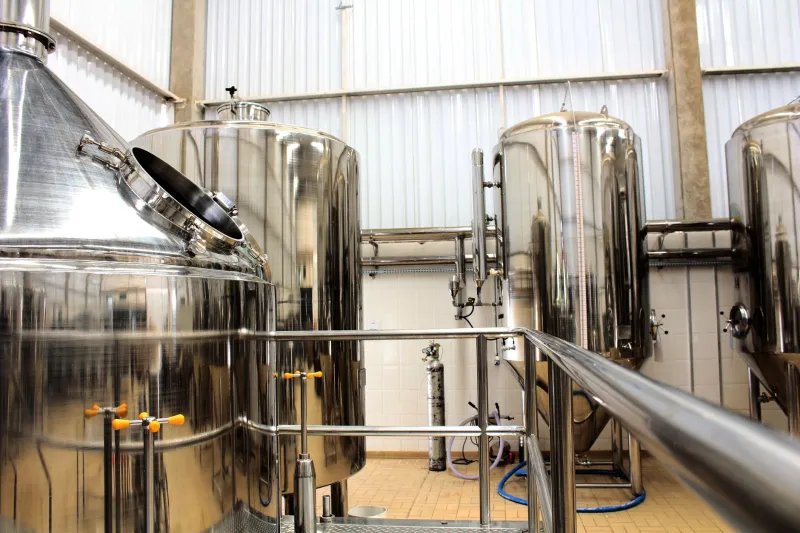
The most significant technical consideration in food environments is sanitary design. Equipment surfaces that contact product—or that are exposed to the production environment—must meet FDA and USDA standards for food-contact materials. This typically means stainless steel construction (commonly 304 or 316L grade), smooth internal surfaces with minimal crevices, and tri-clamp or other sanitary fittings that allow complete disassembly for cleaning and inspection.
Washdown capability is equally critical. In many food processing environments, equipment is subjected to high-pressure water and chemical sanitizers during cleaning cycles. Vacuum systems and conveying components that are not rated for washdown exposure will degrade rapidly, creating both equipment reliability problems and potential contamination points.
Temperature management adds another layer of complexity. Chocolate lines, for example, require conveying systems that maintain product above its melting point during transfer. Frozen food handling, conversely, may expose equipment to sub-zero conditions that affect seal integrity and motor performance. In both cases, standard equipment specifications are insufficient.
Key selection criteria for food processing:
- Sanitary-grade material construction with documented food-contact compliance
- IP65 or higher ingress protection ratings for washdown environments
- Temperature-rated seals and motors appropriate to process conditions
- USDA-accepted or 3-A certified components where applicable
- CIP (clean-in-place) compatibility for inline systems
Chemical Manufacturing: Managing Corrosion, Reactivity, and Explosive Risk
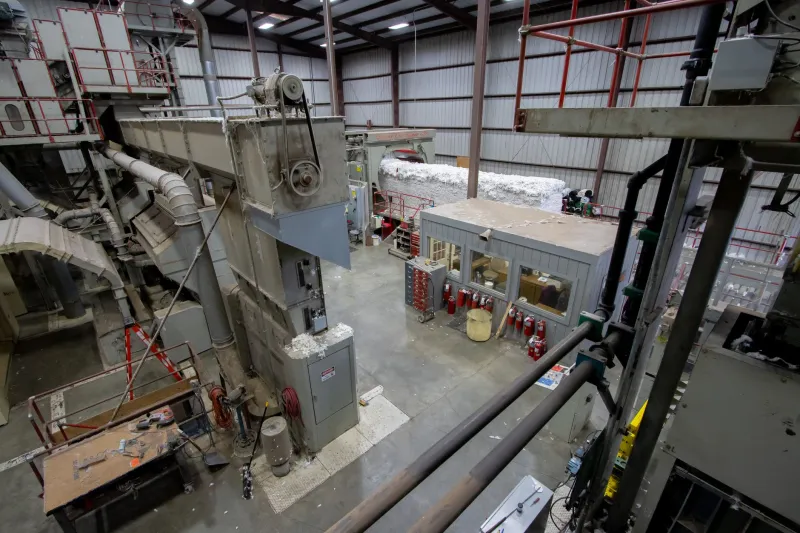
Chemical manufacturing facilities present hazards that are categorically different from those found in food or pharmaceutical environments. The primary concerns are chemical compatibility, explosion risk, and the handling of materials that may be toxic, reactive, or corrosive to conventional equipment components.
Corrosion resistance is the most immediate equipment selection challenge. Many chemical processes involve acids, caustics, solvents, or oxidizing agents that will rapidly degrade standard carbon steel or aluminum components. Depending on the specific chemicals involved, appropriate materials may include 316L stainless steel, Hastelloy, PTFE-lined components, or polypropylene housings. Material compatibility must be verified not only for the primary process chemical but also for any cleaning agents, secondary reactants, or vapor-phase compounds present in the environment.
Explosion protection is a non-negotiable requirement in facilities where flammable dusts, vapors, or gases are present. OSHA's NFPA 70 and NFPA 654 standards govern dust explosion prevention in US facilities, and vacuum systems operating in these environments must be rated and certified for the appropriate hazardous location classification. This includes ATEX or UL-listed motors, grounded and bonded conveying lines, and in some cases inert gas purging of vacuum chambers.
For facilities handling fine chemical powders, the dust explosion hazard is particularly acute. Pneumatic conveying systems that generate static charge without adequate grounding can become ignition sources. Equipment selection in these environments requires close coordination between process engineers, safety professionals, and equipment suppliers.
Key selection criteria for chemical manufacturing:
- Full chemical compatibility analysis across all process and cleaning media
- Hazardous location ratings (Class I or Class II, Division 1 or 2) as applicable
- Static dissipative or conductive construction for flammable dust applications
- Secondary containment provisions for toxic material handling
- Compliance with NFPA 654, NFPA 70, and applicable EPA air emission standards
Pharmaceutical Production: Sterility, Containment, and Regulatory Traceability
Pharmaceutical manufacturing operates under the most stringent regulatory framework of the three sectors examined here. FDA Current Good Manufacturing Practice (cGMP) regulations govern virtually every aspect of production, including the equipment used to convey, transfer, and collect materials. In this environment, vacuum and material handling equipment is not merely a utility—it is a validated component of the manufacturing process.
Containment is the defining challenge in pharmaceutical material handling. Active pharmaceutical ingredients (APIs) are frequently potent compounds that pose occupational exposure risks at extremely low concentrations. Conveying systems must be designed to prevent any release of product to the surrounding environment, which typically requires closed-loop transfer systems, high-efficiency filtration (often HEPA or ULPA grade), and pressure monitoring to detect seal failures before they result in exposure events.
Sterility requirements in sterile drug manufacturing add another dimension. Equipment in cleanroom environments must be constructed of materials that do not shed particulates, are compatible with sterilization methods (including steam autoclave, chemical sanitization, or gamma irradiation for single-use components), and can be validated to demonstrate consistent cleanliness across production cycles.
Documentation and traceability are equally important. FDA inspectors expect manufacturers to demonstrate that equipment has been qualified (through IQ/OQ/PQ protocols), that maintenance activities are recorded, and that any changes to equipment configuration are managed through a formal change control process. Equipment suppliers who cannot provide validation documentation support create significant compliance risk for pharmaceutical manufacturers.
Key selection criteria for pharmaceutical production:
- cGMP-compliant construction with full material traceability documentation
- HEPA or ULPA filtration for API containment applications
- Cleanroom compatibility (particulate shedding, surface finish standards)
- Sterilization compatibility appropriate to the manufacturing classification
- Supplier capability to support IQ/OQ/PQ validation protocols
A Decision Matrix for Specialized Environment Selection
Facility managers evaluating vacuum and material handling equipment for these sectors benefit from a structured comparison framework. The following matrix summarizes the primary evaluation dimensions across the three industries:
| Evaluation Dimension | Food Processing | Chemical Manufacturing | Pharmaceutical |
|---|---|---|---|
| Primary material concern | Sanitation / contamination | Corrosion / reactivity | Containment / sterility |
| Regulatory framework | FDA, USDA, 3-A | OSHA, NFPA, EPA | FDA cGMP, ICH |
| Construction priority | Sanitary-grade stainless | Chemical-resistant alloys | Validated, traceable materials |
| Environmental hazard | Moisture / washdown | Flammable / toxic media | Cleanroom particulates |
| Documentation requirement | Moderate | Moderate to high | Extensive (validation packages) |
| Cleaning method | CIP / washdown | Chemical flush / purge | Validated sanitization protocols |
This matrix is not exhaustive, but it provides a starting point for evaluating whether a given equipment specification addresses the most critical risks in a particular sector.
Selecting a Supplier with Sector-Specific Depth
Beyond equipment specifications, the supplier relationship itself is a meaningful variable in specialized environment procurement. Suppliers with demonstrated experience in a given sector—evidenced by reference installations, sector-specific engineering resources, and familiarity with relevant regulatory standards—reduce the risk of specification gaps that only become apparent after installation.
At Mat-Vac Systems, our approach to specialized applications begins with a thorough environmental and process assessment before any equipment recommendation is made. The variables that determine the right solution in a food processing plant are fundamentally different from those in a chemical production facility or a pharmaceutical cleanroom, and conflating them produces outcomes that satisfy no one.
For facility managers navigating these decisions, the essential principle is straightforward: the operating environment must drive the equipment specification, not the other way around. In high-stakes sectors where product integrity, worker safety, and regulatory compliance are simultaneously at risk, that discipline is not optional—it is the foundation of a sound procurement process.